How to Safely Verify a New Official Website After a Cryptocurrency Project Changes Its Domain
In the decentralized Web3 ecosystem, a domain migration announcement is the single highest-risk event for token holders and NFT collectors. When a cryptocurrency project changes its official website address – whether due to a brand overhaul, domain expiration, or corporate restructuring – scammers immediately capitalize on the transition. Malicious actors purchase “Sponsored” Google search ads, deploy typo-squatted domains, and hijack verified social media accounts to broadcast fake migration links that deploy automated “Wallet Drainers.”
Connecting a Web3 wallet (such as MetaMask, Phantom, or Rabby) to a phishing site takes less than ten seconds, but approving a malicious permit signature can wipe an entire lifetime of digital assets in a single block transaction. To navigate a domain change safely, crypto users must adopt a strict “zero-trust” posture. Never rely on social media posts alone; instead, execute an on-chain, multi-source verification protocol before interacting with any new web interface.
Immutable on-chain truth: Etherscan and contract metadata
The fundamental flaw in traditional verification habits is trusting social media platforms. X (formerly Twitter) accounts are frequently compromised via SIM-swaps or malicious OAuth applications, and official Discord servers routinely fall victim to compromised administrator webhooks. When an attacker gains control of an official account, the first thing they post is a fake “Domain Change & Airdrop” link.
The compromised social media threat
Because social media accounts are vulnerable single points of failure, treat any domain change post on X, Telegram, or Discord as unverified hearsay—even if posted by a verified blue-check account. A blue checkmark merely proves account subscription status, not immunity from session-hijacking attacks.
Etherscan smart contract verification
The only unalterable, tamper-proof source of truth in Web3 is the blockchain itself. Smart contracts deployed on public networks (like Ethereum or BNB Chain) are immutable. Scammers can hack a Twitter account, but they cannot rewrite the bytecode or metadata embedded inside an already deployed smart contract.
To verify a new domain on-chain:
- Navigate to a reputable block explorer like Etherscan or BscScan.
- Paste the project’s official, verified Token Contract Address (which you already hold in your wallet or historical transaction logs).
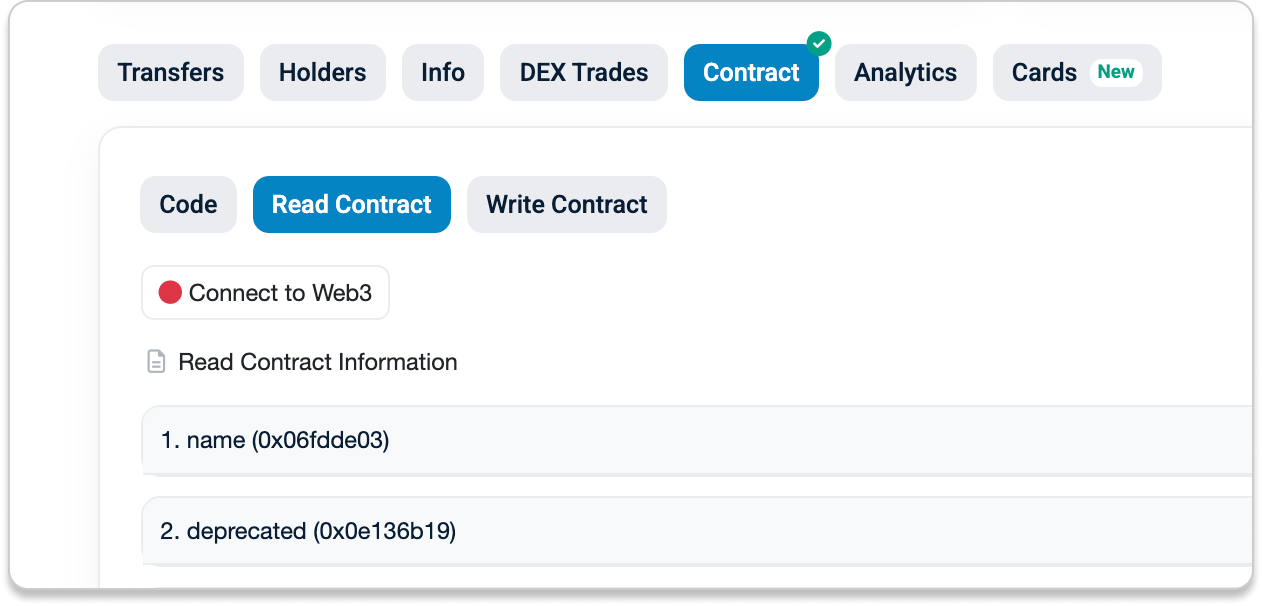
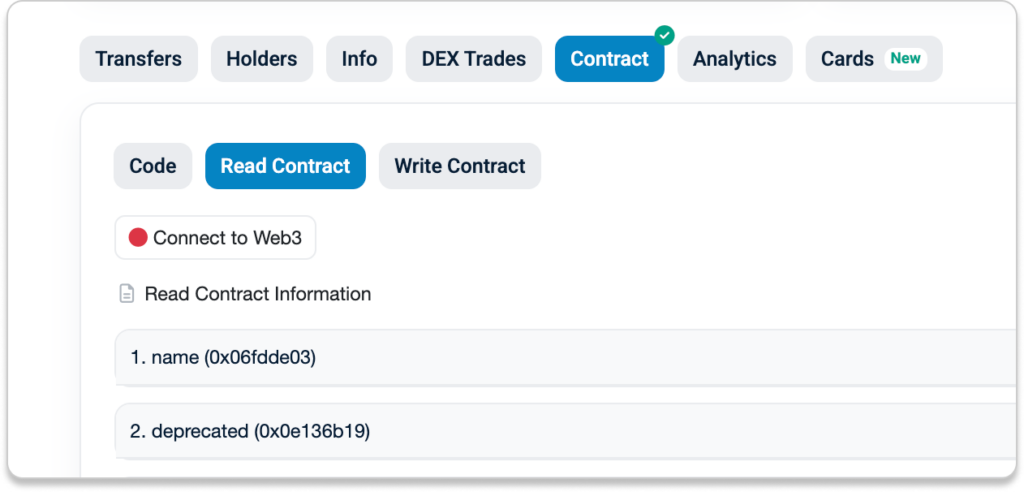
- Click on the “Contract” tab and select “Read Contract.”
- Look for public metadata variables such as website, url, or official projectURI. If the project team programmed an official website field into the contract, that link is immutable and completely resistant to social media hacks.
Cross-platform verification across Web3 aggregators and GitHub
When a project does not maintain on-chain URL metadata, cross-referencing multiple independent, curated data sources is mandatory before trusting a new web address.
| Verification source | Immutable proof signal | Fraud vulnerability | Recommended verification action |
| Block Explorer (Etherscan) | Immutable smart contract website field or verified source code tags. | Extremely low; requires control of the contract creator wallet. | Primary Truth. Always prioritize contract metadata over social links. |
| GitHub Organization | Historical commit logs in official code repositories and main README.md. | Medium; requires compromise of developer GitHub OAuth keys. | Audit commit history; verify that the domain change was pushed by core devs. |
| Curated Aggregators (CoinGecko / DefiLlama) | Manual security verification by platform curation teams before URL updates. | Low; minor delay between official announcement and directory update. | Cross-check listed official links against new domain announcements. |
| Social Media (X / Discord) | Pinned posts, official announcements, and community moderator messages. | Critical Risk. Highly vulnerable to SIM-swaps, compromised bots, and phishing. | Treat as an initial alert only; never click links without on-chain confirmation. |
GitHub repository and release tag audits
For open-source Web3 projects, the developers’ GitHub organization serves as a secondary technical anchor. Navigate to the project’s main public repository. Inspect the README.md file and review the “Commits” tab. A legitimate domain migration involves code commits pushed by established developer accounts, updating configuration files, documentation links, and frontend endpoints. If the GitHub repository makes no mention of a domain migration, the social media link is almost certainly a scam.
Curated Web3 aggregators (CoinGecko and DefiLlama)
Major Web3 directory platforms like CoinGecko, CoinMarketCap, and DefiLlama maintain strict manual verification protocols for updating project metadata. When a legitimate project changes its domain, the team submits formal documentation and cryptographic signatures to these aggregators. Waiting for DefiLlama or CoinGecko to update the project’s official website link on their dashboard provides a strong, secondary layer of security verification.
Red-flag indicators on new web interfaces and wallet prompts
Even if a new domain passes preliminary checks, inspect the web interface and wallet interaction requests carefully upon landing on the page.
Wallet Drainer signatures and signature prompts
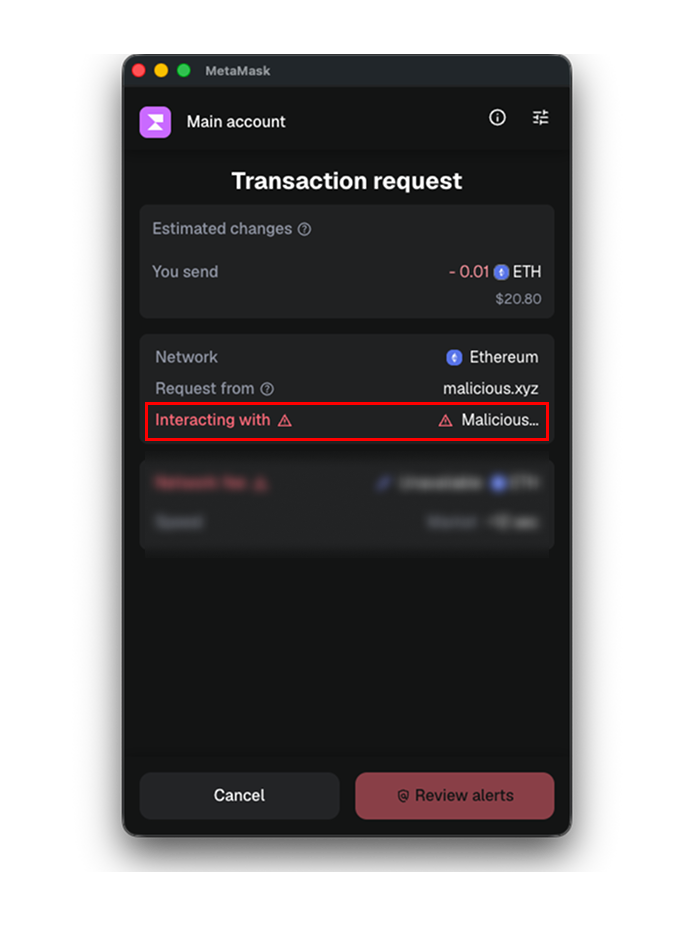
The ultimate red flag on any Web3 site is an immediate, aggressive wallet prompt. Legitimate domain changes are purely informational or infrastructural; a domain change never requires you to connect your wallet or sign a transaction to “verify your identity” or “claim migrated tokens.”
If a new website prompts your wallet to sign an unreadable text string or execute transactions containing the following function signatures, disconnect immediately:
- eth_signTypedData or eth_sign (Off-chain permit signatures frequently used to drain Seaport/OpenSea listings or ERC-20 tokens without gas fees).
- SetApprovalForAll (Grants the phishing site complete control to transfer all NFTs out of your wallet).
- IncreaseAllowance or Approve (Gives a malicious spender contract unlimited access to your ERC-20 tokens).
SSL certificate transparency and domain WHOIS age
Scammers operating drainer sites usually register domains hours before launching a phishing campaign. Use a free online WHOIS lookup tool or inspect the browser’s SSL certificate padlock. If the domain creation date is less than 24 to 48 hours old, or if the SSL certificate is issued to an anonymous, generic issuer while the old site used an enterprise EV certificate, close the tab instantly.
Emergency action plans for accidental phishing site interactions
If you suspect you accidentally connected your wallet or signed a transaction on a fake domain, executing a rapid incident response protocol can save your remaining assets.
- Sever the Web Connection: Disconnect your wallet from the site using your wallet extension settings (e.g., MetaMask > Connected Sites > Disconnect All).
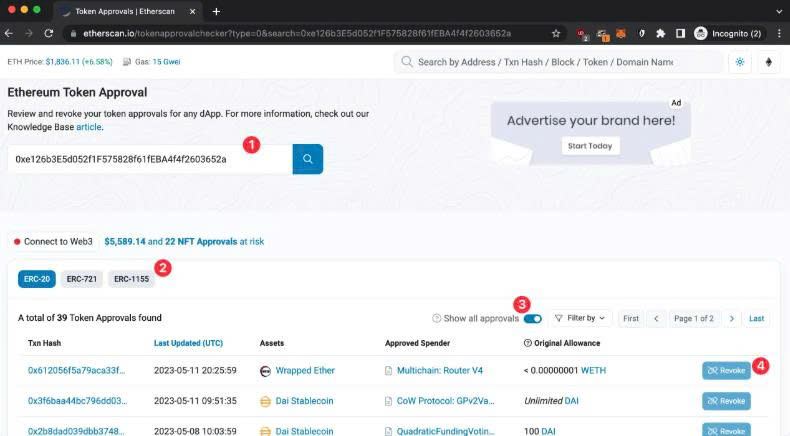
- Audit Active Token Allowances: Immediately navigate to Revoke.cash or Etherscan’s official Token Approval Checker (etherscan.io/tokenapprovalchecker). Connect your wallet on Revoke.cash and review all active approvals.
- Revoke Suspicious Approvals: If you spot an unlimited allowance granted to an unknown contract address, execute a Revoke transaction immediately to cut off the malicious contract’s access to your funds.
- Transfer Remaining Assets: If you executed a blind eth_sign or permit signature, assume the private key’s security boundary is compromised. Immediately transfer all remaining un-drained tokens and NFTs to a completely fresh, un-compromised hardware/cold wallet.